



















When the whistle goes and the board keeps going
The rugby wrapped up hours back. The Super Rugby game finished mid-evening, the NPC round is done for the night, the Warriors played their away game in the afternoon and that's been settled since. By any sensible reckoning the punting should have knocked off with it. It hasn't. On the board in front of me there's a Copa Sudamericana tie ticking over live, a table tennis fixture somewhere in eastern Europe, a Counter-Strike qualifier two maps deep, and an NBA game about to tip off at breakfast time on our clock. None of it is filler. Every row carries real markets — line, total, head-to-head, first to score — with a little counter at the end offering a few hundred more if you want them.
That's the character of the place, and naming it up front saves a lot of explaining. New Zealand sits about as far out of step with the world's sporting clock as a country can — twelve hours ahead of Britain, the overseas racing and the American sport arriving in the dead of our night, the cricket stretching across five days, a Saturday of live rugby folding straight into a Sunday of everything else. A book built offshore and running around the clock fits that rhythm almost too neatly. If you follow one team in one competition and glance at a score on a Sunday arvo, you'll find BetLabel generous to the point of overwhelming. If your interest in sport runs more like a background hum — a game on somewhere, a tab open, a Dota roster you hold opinions about — it fits like it was cut for you.
The whole operation runs under a Curaçao Gaming Control Board licence, which is a cross-border framework rather than one tied to any single country. What that means for you in practice is short: the rules that actually bind are whichever ones apply where you happen to be logging in from, seeing an offer on screen doesn't guarantee it's one you're clear to take, and working out where you stand is a few minutes of homework that falls to you and nobody else. Eighteen at the very least, older in some places.
The short version, before you scroll
For anyone who'd rather not wade through a few thousand words to decide whether this place is for them. BetLabel lists the competitions you actually follow plus a heap you've never come across. Rugby union and league get the full workup, cricket and netball are priced with real care, and the esports section runs well past the obvious names. The cash-out tools are solid and the autosale beats most. The cashback lands every Tuesday with nothing riding on it. The screen is busy, and that busyness is the deal you're signing up to. What follows is me unpacking why each of those lines reads the way it does.
Feature | What BetLabel offers |
|---|---|
Sports covered | Rugby union, rugby league, cricket, netball, football, basketball, tennis, ice hockey, and a long tail beyond — down to darts, snooker, table tennis, beach volleyball and trotting |
Markets on a big event | Deep. A headline All Blacks or Warriors fixture opens into hundreds of extra lines beyond the ones on the main row |
Esports | A dedicated hub across nine disciplines, split into Real, Virtual and Cyber, with map and round-level markets |
Bet types | Single, multi, system, plus chain and Toto formats |
Common markets | Head-to-head, line, total points, individual totals, first scorer, plus event and player props on the majors |
Odds display | Decimal by default, set in the account settings |
Live betting | In-play odds, running clock, live score and match data, with a simulated visual feed on a large share of events |
Cash-out | Full or partial sale of a running bet, plus an autosale that triggers at a value you choose |
Sports welcome | A 100% match on your first deposit, or a free bet worth a share of it — one or the other |
Weekly cashback | 3% of the total stake of your losing bets, credited every Tuesday, no wagering attached |
Multi insurance | Stake refunded on a seven-leg or longer multi if exactly one selection lets you down |
Currency | New Zealand dollars shown throughout, with a wide range of other currencies and crypto supported |
Mobile | The full sportsbook on the app and the mobile site, with a monthly bonus for betting from the app |

Out of step with the world, and why that suits a book like this

There's a particular way a New Zealand punter has always lived, and it's worth naming because it's exactly the thing this book is built around. The sport you most want to bet on from overseas turns up at hours that make no sense — the big European football at two in the morning, the American racing later still, the northern-hemisphere action all landing while the country sleeps. Walk into a TAB, lay your bet, walk out, and there was a full stop built into the whole thing: the shop shut, the counter closed, and that was your lot until it opened again. A board that never shuts changes the shape of that entirely. Whatever's caught your eye this week is sitting there with a price at three in the morning if that's when you're awake to look.
That's the appeal and the warning in the same breath, and I'll come back to the warning near the end. For now, take it as the reason the sheer size of this thing isn't the accident it looks like. It reads as clutter on day one. By the second week it reads as the only board wide enough to have something live whenever your own hours happen to fall.
Everything is on the board, and that's the point
Here's the number that made me stop scrolling. On a dead-quiet Wednesday, the table tennis tab was holding close to six hundred fixtures — roughly three times what tennis, the sport right above it, was carrying that same afternoon.
That isn't a glitch and it isn't padding. Table tennis is played in some competition, in some time zone, at more or less every hour of the day, so pricing it seriously means the book always has something live on it — and for a country that does most of its overseas watching after midnight, "always something live" is the whole pitch. The same logic sprawls down the sidebar: futsal, water polo, snooker, cycling, greyhounds, beach volleyball, trotting, darts, and plenty stranger than that. Switch to the live tab and it multiplies again — lawn bowls, athletics, a fighting-game bracket sitting incongruously next to the gallops.
You're not going to plan your Saturday around lawn bowls, and nobody at BetLabel thinks you will. The point of listing it is a policy, not a prediction: once a market goes up it doesn't come down, and the reward for that policy is that whatever grabbed your attention this week — however niche — already has a price and a stack of sub-markets waiting when you go looking.
But the exotic stuff is a sideshow. The real question is whether the ordinary sports hold up in the divisions the big books can't be bothered with, so that's what I stress-tested — reserve grades, mid-week cup ties, the qualifiers that usually get one lonely head-to-head and nothing behind it. A second-tier South American fixture kicking off at breakfast here had full lines and totals. A European feeder-league game running live at 3am had a live board. That's the tell. The width isn't decoration; it goes all the way down.
Rugby, the Warriors and the codes BetLabel takes seriously
Rugby union leads, as it should on any board built for this country, and pretending otherwise would be daft. The All Blacks tests, Super Rugby Pacific and the NPC all carry the full treatment: head-to-head, handicap, total points, winning margin buckets, and on the bigger games the first try-scorer, anytime-scorer and half-by-half markets underneath. Depth is genuinely deep — a regular Super Rugby fixture I opened had a counter showing well over a thousand extra lines behind the visible row, which is the sort of number you'd expect on a final rather than a round-nine Friday nighter.

Rugby league gets treated as its own real sport rather than a courtesy tab, and here New Zealand has a specific stake in it. The Warriors run the full NRL premiership board — head-to-head, line, total, scorer and margin markets — and the fixtures pull proper depth, not the thin pricing a book aimed elsewhere would hang on the one Auckland side in the competition. The rest of the NRL is priced through, the State of Origin build-up carries full boards, and the English Super League turns up for anyone whose nights run late.
Cricket gets more care here than most generalist books bother with, and it earns it in a country that plays the game in three formats at once. The Super Smash is priced game by game with the full board — match head-to-head, top runscorer, total match sixes, method of first dismissal, the lot — and a Black Caps test summer carries session and day markets that reward anyone who actually watches five days of it rather than checking the result. The Plunket Shield turns up for the domestic diehards, and the international white-ball fixtures come in full. If your thing is a top-order batter's runs line on a night of Super Smash, it's there.
Netball is the one I'd point to as proof the width is real, because it's the sport a book built somewhere else would ignore entirely. The ANZ Premiership is priced through its season with head-to-head and margin markets, and the Silver Ferns internationals pull fuller boards on test weeks. It's not a deep pool by football standards, but its being priced at all — and priced properly — tells you more about how seriously this book takes a New Zealand audience than another thousand football lines would.
Football sits underneath all that, deeper than you'd expect — the major European leagues carry hundreds of lines apiece, Auckland FC and the Wellington Phoenix are priced through the A-League season, and the All Whites and Football Ferns fixtures pull full boards on international weeks. Basketball is one of the better in-play sports on the platform for the simple reason that the scoreboard never stops moving, with quarter and half markets, handicaps and player props across the NBA and the NBL. And then the motorsport and the racing, which change shape entirely: a Grand Prix or a big racing weekend is priced runner by runner across the card, each name carrying its own price. It's a different kind of betting from picking a winner between two sides, and it's worth knowing it's there before you go hunting a head-to-head that doesn't exist.
Sport | Typical market depth | Live betting |
|---|---|---|
Rugby union | Very deep — hundreds of lines on tests and Super Rugby | Extensive, across the round |
Rugby league (Warriors & NRL) | Very deep — line, total, scorer and margin markets | Strong and fast-moving |
Cricket | Session, innings, player and match markets across all three formats | Ball-by-ball on the majors |
Netball | Head-to-head and margin markets, priced through the season | Good on the main competitions |
Football | Hundreds of lines on major fixtures | Extensive, leagues large and small |
Basketball | Quarters, halves, handicaps, player props | Strong and fast-moving |
Table tennis | Real markets, and an enormous number of them | Near-continuous |
Esports | Map, round and objective markets on majors | Live across the main disciplines |
Motorsport & racing | Outright pricing name by name across sessions | Limited by format |

Nine disciplines and three doors: esports at BetLabel
If any single section pulls this platform clear of the identikit generalist books, it's the esports hub. Betting on esports is hardly exotic these days, so that on its own proves nothing. What earns the distinction is that this is a built-out section with its own logic, not the four token Counter-Strike matches an operator bolts on so it can claim a tab.

Look past the headline titles and the range is what surprises you. Counter-Strike 2 and Dota 2 anchor it, League of Legends had the fullest schedule the day I went through it, and Valorant runs close behind — all expected. Then it wanders somewhere most Western operators simply do not: Mobile Legends, Honor of Kings, Overwatch, PUBG, WarCraft III, Crossfire. Those first two pull colossal audiences across Asia and get next to no shelf space on Western books, and given where we sit on the map a New Zealander can actually catch them live at a civilised hour, which turns their presence here from a curiosity into a genuine edge.
The tournament list is as serious as the game list. BLAST Bounty and its qualifier, the European Pro League, the LPL and LCK for League, EPL Masters on the Dota side, the Valorant Champions Tour across the China and Pacific circuits. Once a series carries any weight the markets stretch well beyond the winner — map winner, map handicap, total maps, total and handicap on rounds, and a standalone frags market on the Dota fixtures. The prices live and breathe with the match, which is the whole draw: one round flips a best-of-three and the entire board has redrawn itself before you've finished swearing at the screen.
Real, Virtual and Cyber
Three tabs divide the section, and knowing which you're on matters more than it first appears. Real is the genuine article — flesh-and-blood players, scheduled tournaments, the coverage described above. Virtual and Cyber are the machine-generated versions: fixtures that never stop for a calendar, priced as they run, on tap at any hour you like.
Treat those two as their own category, because they sit much nearer a virtual-sports product than anything competitive — the sort of thing to leave running at four in the morning once every real competition has clocked off, not somewhere to stake a considered opinion. The labels are plain enough on the tab. The only trap is not reading them, which is easy to do when you're tired and moving quickly and the words start to blur.
Live betting, and what that visual feed actually is
Switch to the in-play tab and the platform changes gear. Prices move in real time, the clock and scoreline update on their own, and each fixture carries a row of little icons — head-to-head history, live stats, a match tracker — that expand when you tap them. On a busy evening I had well over nine hundred games running live at once, and a good chunk of those had a moving visual panel sitting next to the odds.
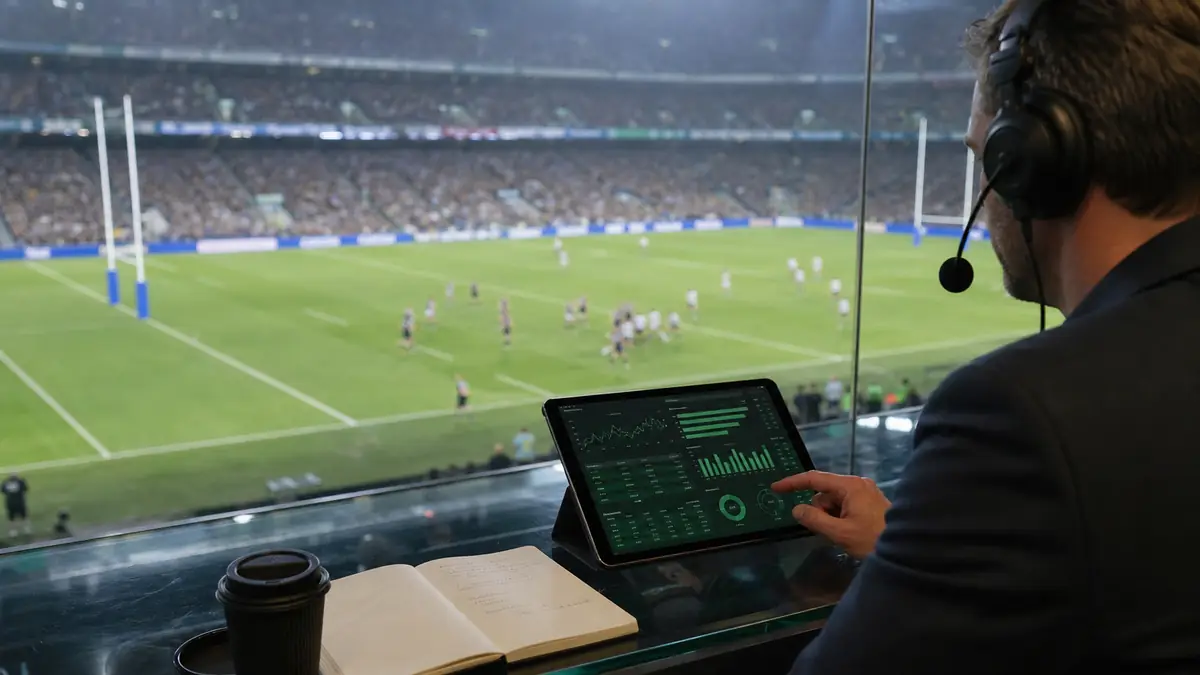
About that panel, because it's the thing people most often misunderstand. It is not a broadcast. What you're watching is an animation assembled from the live data feed — a stylised, real-time reconstruction of where play is, not a video of the actual match. That sounds like a downgrade and mostly isn't: it stays glued to the live state of the game, and crucially it doesn't lag behind the odds the way a delayed TV stream will, which is exactly the lag that gets in-play punters into trouble. Just don't mistake it for the real thing — if you want to watch the game, put the game on another screen and keep this one open for the numbers.
The genuine strength of the live board isn't the animation anyway. It's the reach. The same filter and sport-by-sport tally from the pre-match side carry over, and the in-play list dives into the identical odd corners — if a ball's being hit somewhere on the planet right now, there's a live price on it here.

The slip, the sell button, and the autosale
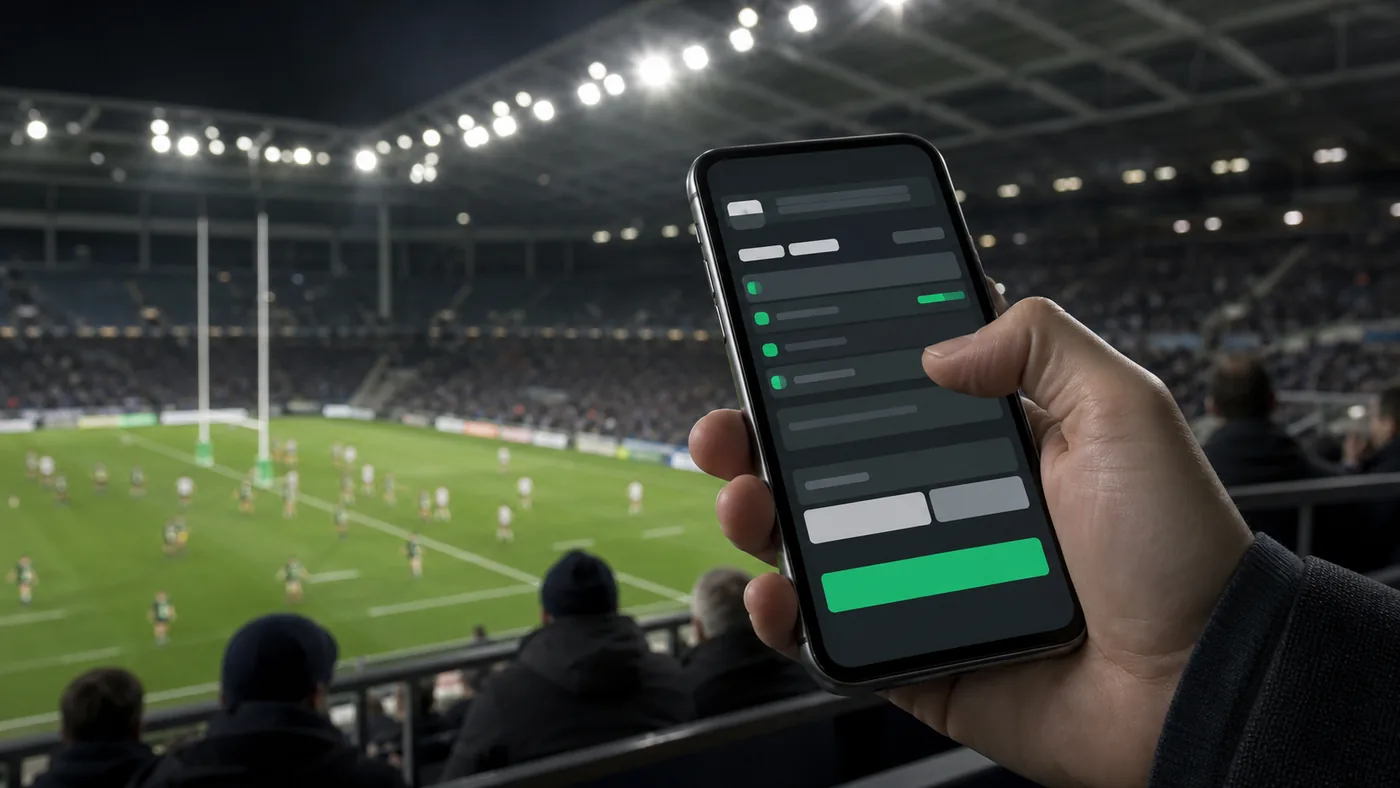
The bet slip lives down the right and fills as you tap prices. It moves between single, multi and system without dropping what you've already selected, and it'll happily hold legs from completely unrelated fixtures on one ticket. There's also a save-and-load feature for events tucked underneath it — more useful than it sounds if you rebuild a similar multi every weekend and would rather not assemble it from scratch each time.
The part worth understanding properly is cashing out. BetLabel lets you sell a running bet back before it settles — all of it, or a slice, with the remainder left to run. Layered on top is autosale: name a figure, and the moment the slip's cash-out value reaches it, the system sells for you automatically. That's the feature that quietly pays for itself, because the single most frustrating way to lose a live multi is to be nowhere near your phone when the last leg turns — asleep, driving, out to dinner — and autosale is what covers exactly those moments.
Two honest limits. Cash-out is granted per slip rather than blanket-enabled, so some bets can only be sold whole, and a few can't be sold at all — anything already settled, a suspended market, or a slip you've cashed once already. And the offered value drifts as the game moves, so if you sit on the decision for a couple of minutes the number you were staring at won't be the number you get. Neither is a flaw so much as physics, but both are far easier to meet on this page than mid-match with the clock running.
Reading the multi, and where it earns its keep
Multis are woven right through the punting culture here, and most of the bonuses on this site are built around them, so it's worth being clear-eyed about what they are before someone sells you a dream. A multi bundles several legs onto one ticket and multiplies the odds together into a figure that looks fantastic. The multiplication cuts both ways, though: every leg has to come in, and each one you bolt on lifts the potential return and the odds of the whole thing dying in equal measure.
Three shapes cover almost everything, and telling them apart is most of the skill:
- Single — one selection, one outcome, your whole stake riding on it. Low ceiling, low risk, nothing to overthink. It wins or it doesn't.
- Multi — several legs on one ticket, the prices compounding into an eye-watering number. All of them have to land. This is the format nearly every promotion is shaped around, so it's the one to get comfortable with first.
- System — a mesh of smaller multis that still pays something even when a leg or two misses. Gentler than a straight multi, but harder to read at a glance, so it rewards a bit of study before you commit real money.
Beyond the three there are chain bets and Toto pools — older-style products parked in their own corner rather than riding the main slip. They run on different enough rules that they deserve a proper read rather than a curious poke.
And one flat piece of honesty no bonus banner will hand you: the ten-leg multi priced like a mortgage payment is, once you actually run the maths, a long shot in a nice suit. There's nothing wrong with the occasional big swing — a Saturday rugby multi is half the fun of the round — but there's plenty wrong with mistaking it for a plan. Keep the serious money on the short slips, keep the moonshots on the long ones, and try hard not to let those two budgets bleed into each other.

Making sense of a price
Most sites bury this, assuming nobody reads it. I'd rather put it where it's useful, because odds mean nothing floating in the abstract and click into focus the second they're attached to a game you can picture — and it genuinely isn't hard once someone says it plainly.
BetLabel shows decimal odds, which is what most of us here were raised on and the friendliest of the three formats. The number is simply your total return per dollar staked. A price of 2.50 turns a ten-dollar bet into twenty-five: your ten back plus fifteen on top. A price of 1.39 — a solid favourite — turns that same ten into thirteen-ninety, which is what a short price feels like in the hand.
The hinge is 2.00. Below it you're backing the favourite; above it you're on the outsider. That, honestly, is the whole lesson. Fractional odds like 3/2 and American ones like +150 are saying the same thing in a different accent. Once you stop converting in your head and start reading the shape of a price on sight, the arithmetic becomes instinct — and instinct is all you've got when a price is sliding and you've four seconds to call it.
The markets you'll actually use
The main row on a rugby fixture opens with the head-to-head — the straight pick of who wins. Beside it sits the handicap, which hands one side a virtual head start to make a mismatch worth pricing and asks you to back a team to cover it rather than simply win. Then the total, which ignores the winner entirely and asks only whether the points finish above or below a mark. Individual totals do the same for one side on its own. First try-scorer and anytime-scorer do what the names promise, and on the bigger games a long tail of player props sits underneath.

That's only the top layer. The counter at the end of the row is where everything else hides — the margin brackets, the half-by-half splits, the milestone markets, and the run of player props that give a Friday nighter a reason to have a second screen open. None of it is required reading on your first day. Get comfortable with the head-to-head and the total, and let the rest come to you as your curiosity does.

Tuesday money, and the offers that keep paying
You pick your welcome offer from two doors: a straight 100% match on your first deposit, worked off through multis, or a free bet set at a share of that deposit if you'd rather have the swing than the balance. Both want a completed profile and a verified phone number — a theme on this site I'll return to shortly.
But the offer I'd genuinely mark is the Tuesday cashback, precisely because it's still working long after the welcome bonus is a distant memory. Each week the site totals what you staked on losing sports bets and returns 3% of it, credited automatically on Tuesday — and there's nothing to wager it through. That last part is what separates it from almost everything else in the industry. It arrives as plain, withdrawable balance, not a locked bonus quietly counting down to an expiry date. Qualifying bets need to be 1.5 or higher, and totals and handicaps sit outside the calculation, but as these mechanisms go it's about as straight as they come. On one bet it's pocket change. Across a full rugby season it's a low-key rebate on the cost of caring.
Two more deserve a nod. Multi insurance covers tickets of seven legs or longer at 1.7 and up — lose exactly one leg and your stake comes back. Seven legs is a big ask, and the offer says so plainly (miss two and it's gone), but for anyone who builds long slips by habit it takes the sting out of the leg that dies at the death. Then there's the cold-streak offer: rack up twenty losing bets inside thirty days, at stakes above a floor and odds no longer than 3, and you're owed a bonus scaled to what you'd been staking. The claim is the charming part — you email support with your account number and "Series of losing bets" in the subject line. No button, no pop-up, no automation. A person reads it and sorts it, which in this corner of the internet is almost quaint.
Underneath all of it the calendar keeps turning — a Saturday offer on the sports side, a tiered casino loyalty scheme paying cashback that climbs with your level — and a single shared wallet means nothing you win on one side is ever stranded on the other.
The one bit of structure to get right
Bonuses run on two separate tracks, sports and casino, and you commit to one in account settings before you deposit. It looks like admin and it is, but it has teeth: on the casino side, switching your bonus type or declining one partway through the sequence can cost you the remainder. So work out which half of the site you're actually here for, set it once, and leave it alone.
The other pre-deposit job: crypto and bonuses don't mix. With one deliberate exception, every promotion on the site is switched off for cryptocurrency accounts — and that exception is a crypto-only deal built to patch exactly that gap. If promotions are any part of why you're here, fund with another method and keep the crypto for withdrawals, which is genuinely where it shines as the fastest way off the site.
Opening a BetLabel account

Registration runs off a phone number rather than an email, which is quicker than it sounds but carries one condition worth flagging up front: that number has to be verified before most bonuses will pay out. This isn't buried fine print — it's the live condition on nearly every offer, each of which lists a verified phone and a complete profile among its requirements. Spending ten minutes filling in every field is the highest-return thing you'll do on the whole platform, and almost nobody does it.
Habit two for day one: enter your name exactly as it appears on whatever ID you'll verify with later. Nobody checks it when you sign up. Somebody checks it very carefully the first time you withdraw, and a single stray middle initial is how a same-day payout quietly becomes a three-day one.
- Hit Registration in the top right and choose to sign up by phone.
- Enter your number, choose how the confirmation code arrives, and key it in when it does.
- Set your account currency. It's permanent, so give it a beat of thought.
- Add a promo code if you've got one — the field is on the registration form itself, not somewhere later.
- Open My Account and fill every field: full name, date of birth, email, region of residence.
- In Account Settings, opt in to bonuses and choose your track, sports or casino.
After that, a first bet takes about as long to place as to describe. Deposit — cards and instant methods land straight away — then work down the left sidebar: sport, competition, fixture. Tap a price and it drops itself into the slip on the right; type a stake, check the return, confirm. Clunky the first time, muscle memory by the fourth.
 Download theandroid appDownload theIOS app

On a phone
Nothing's been cut for the small screen. The full sportsbook, the live board, the slip and every cash-out tool run on mobile, and the in-play board in particular handles thumb navigation like it was designed for it — which, given where most live bets actually get placed, it effectively was.
There's also a concrete reason to bet through the app rather than the browser. BetLabel runs a monthly bonus that only counts bets placed inside the app: settle twenty qualifying bets across the month and the reward is pegged to your average stake, up to a cap. It's neatly designed, because it scales with how you actually bet instead of handing everyone the same flat figure. Singles need to be 1.50 or higher and multis need two legs at 1.30 or better, with totals, handicaps and promo-code bets excluded. Install it, opt in on the promotions page, and otherwise carry on exactly as before.
What BetLabel punters say
Comments gathered from regular users during testing. Lightly tidied for readability, otherwise as they were given.
"I take the rugby seriously and dabble in about six other things, and this is the first book that hasn't punished me for it. I can dig up a reserve-grade game at seven on a Sunday and it'll have actual markets. The bookie I was with before gave you a head-to-head and thought it was doing you a favour." — Rewi, follows the rugby and a bit of volleyball
"The Tuesday cashback is why I'm still here once the sign-up stuff dried up. It's never much, but it's real money with no strings, and it lands whether I've had a blinder of a week or a shocker. Usually a shocker." — Tama, sports punter
"First week I was completely at sea, there's that much crammed onto every screen. Wouldn't swap it back now, though — I've got the Super Rugby, the cricket and a Dota match all in front of me without touching a menu, and once you're used to that, going back feels blind." — Anika, in-play bettor
"Autosale's bailed me out twice. You set your number and forget it's even on, and it cashes out while you're off doing something else. Second time it fired I was flat out asleep — woke up and the money was just sitting in the account." — Hemi, multi player
"Didn't expect much from the esports and got a lot. Every site does Counter-Strike and Dota. Seeing Honor of Kings and Mobile Legends actually priced up, with map and round markets and not just a winner line, was a proper surprise." — Wiremu, esports bettor
"Bit of advice for anyone signing up: finish every field on your profile before you put a cent in. I didn't, and my first bonus just never turned up. Nothing wrong with the site, all on me, but nobody tells you first." — Ben, weekend punter
 Download theandroid appDownload theIOS app
Where BetLabel lands for New Zealand
This is a book for the sort of person whose interest in sport doesn't clock off at five — which, in a country that sits through five days of a test and catches its overseas action at three in the morning, is a fair chunk of us. It prices the marquee competitions properly and then just keeps going: the reserve grades, the overnight games, the sports most international operators can't be bothered listing — netball among them — and an esports section that runs well past the usual four titles into games barely anyone in the West bothers to price. The Tuesday cashback, with nothing riding on it, beats what most books put up. And the cash-out tools — autosale in particular — are the kind of thing you quit noticing precisely because they do their job.
Now the catches, because they're real and you deserve to hear them from me rather than find them yourself. The interface wants patience early and won't please anyone after a tidy five-market front page — those opening ten minutes are a lot, twenty-odd market columns strung across one row and half a dozen sports on screen together. The live picture is a simulation, not a broadcast, which is handy but isn't the same thing. And the bonus rules are firm about finished profiles and verified phone numbers in a way that trips up anyone who didn't read that far down. None of it is a deal-breaker. All of it is better known going in than found out later.
Here's the thing about all that clutter, though, and it's where I'll leave it. The very screen that swamps you on day one is the same screen that, by the fifth visit, lets you keep the rugby, the cricket and an esports match all in your eyeline without opening a single menu. You can't run a board this big from behind three neat drop-downs. It doesn't win you over at first glance. It's the slow-burn kind, and for the right punter it burns fairly bright.
So — is it worth it? If you have a punt with any sort of regularity across more than one sport, comfortably yes, and few books are built for that habit as deliberately as this one is. If you're strictly a big-day punter — a Bledisloe test, a Melbourne Cup, a World Cup final — the mobile site on its own has you covered and you can happily ignore two-thirds of what's on offer. Either way, and this is the bit with no sell attached to it, set your deposit and time limits in your first session rather than your fiftieth. The platform is built to keep pace with you. Just make sure you're keeping pace with yourself.
Callum Hedley — Betting and Casino Analyst Writes on sportsbooks and online casino platforms. Tested BetLabel across desktop and mobile with no commercial relationship to the operator.
Responsible gaming
A board this big makes it easy to lose track of both the clock and the balance, and the in-play tab is where that happens fastest — everything moves at speed and there's always one more market a tap away. The old ritual of walking into a TAB, placing your bet and walking out again had a natural full stop built into it. A book that never closes has none, so the full stop has to be one you set yourself. Put your deposit and session limits in at the start, not at the point you're beginning to suspect you needed them. The limits, cooling-off periods and self-exclusion tools all sit in account settings and behave identically whatever screen you're on.
A punt is entertainment, and entertainment has a price. It isn't an income, and chasing what you've lost is the shortest road there is from a rough night to a real problem. Eighteen and over, older where local law says so. And if the betting has stopped doing you any good — you, or someone close to you — help is available in most places, free, confidential, and with nothing owed in return.